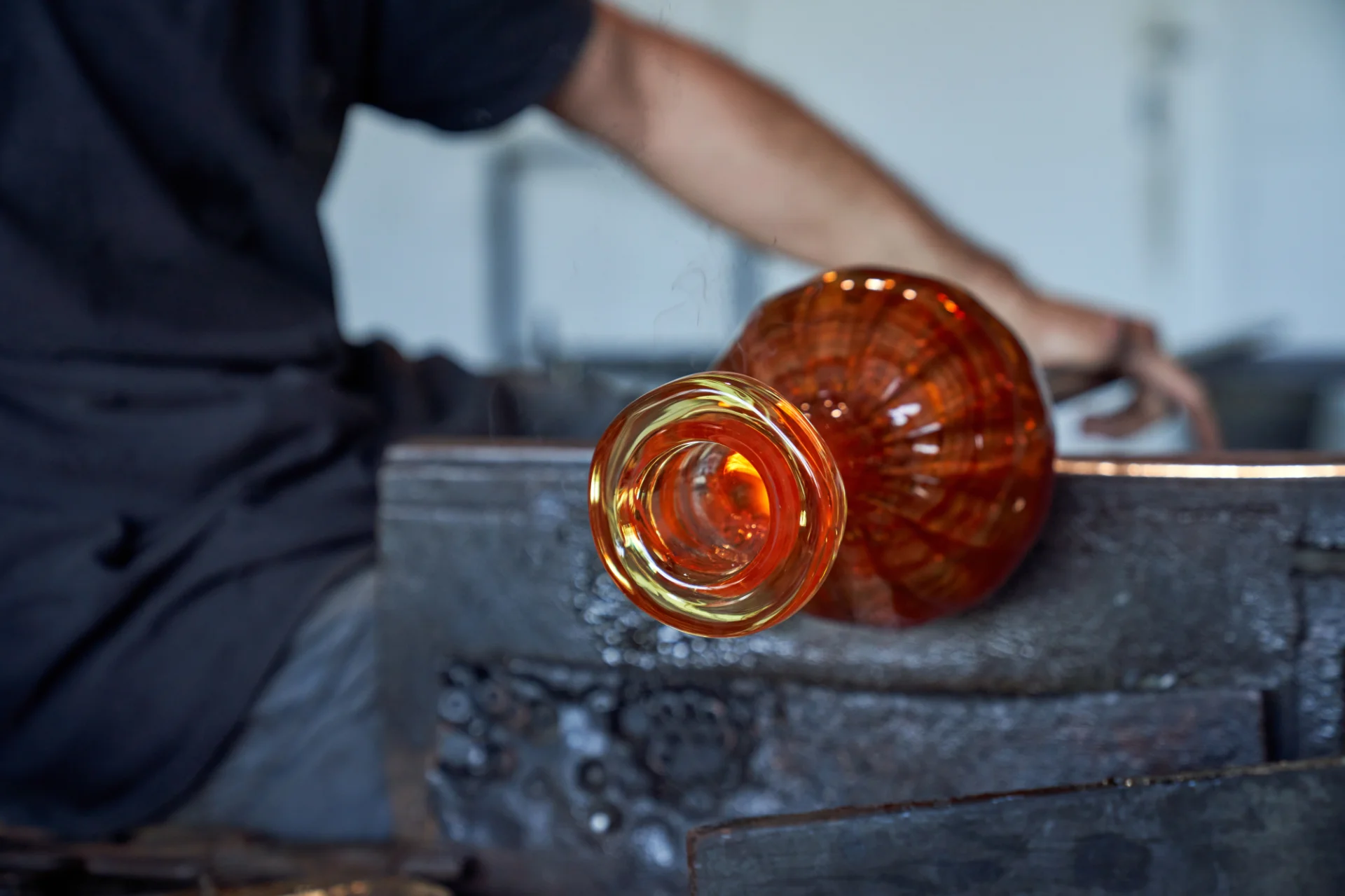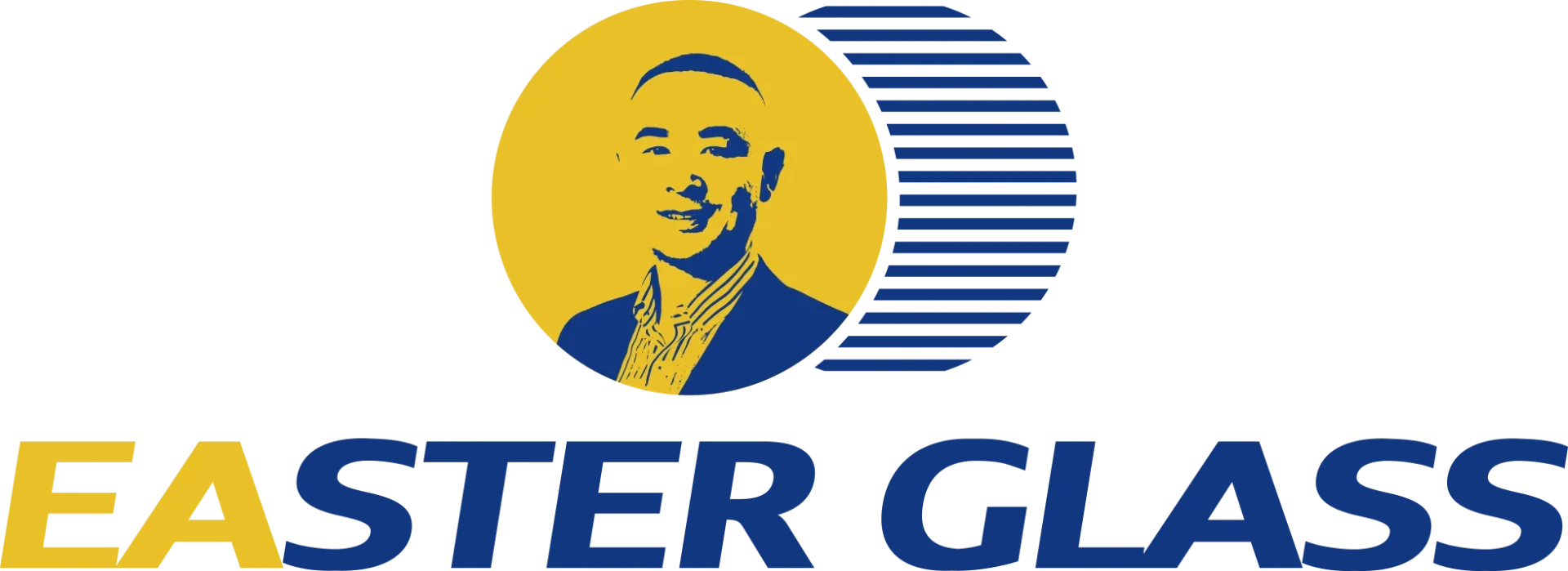
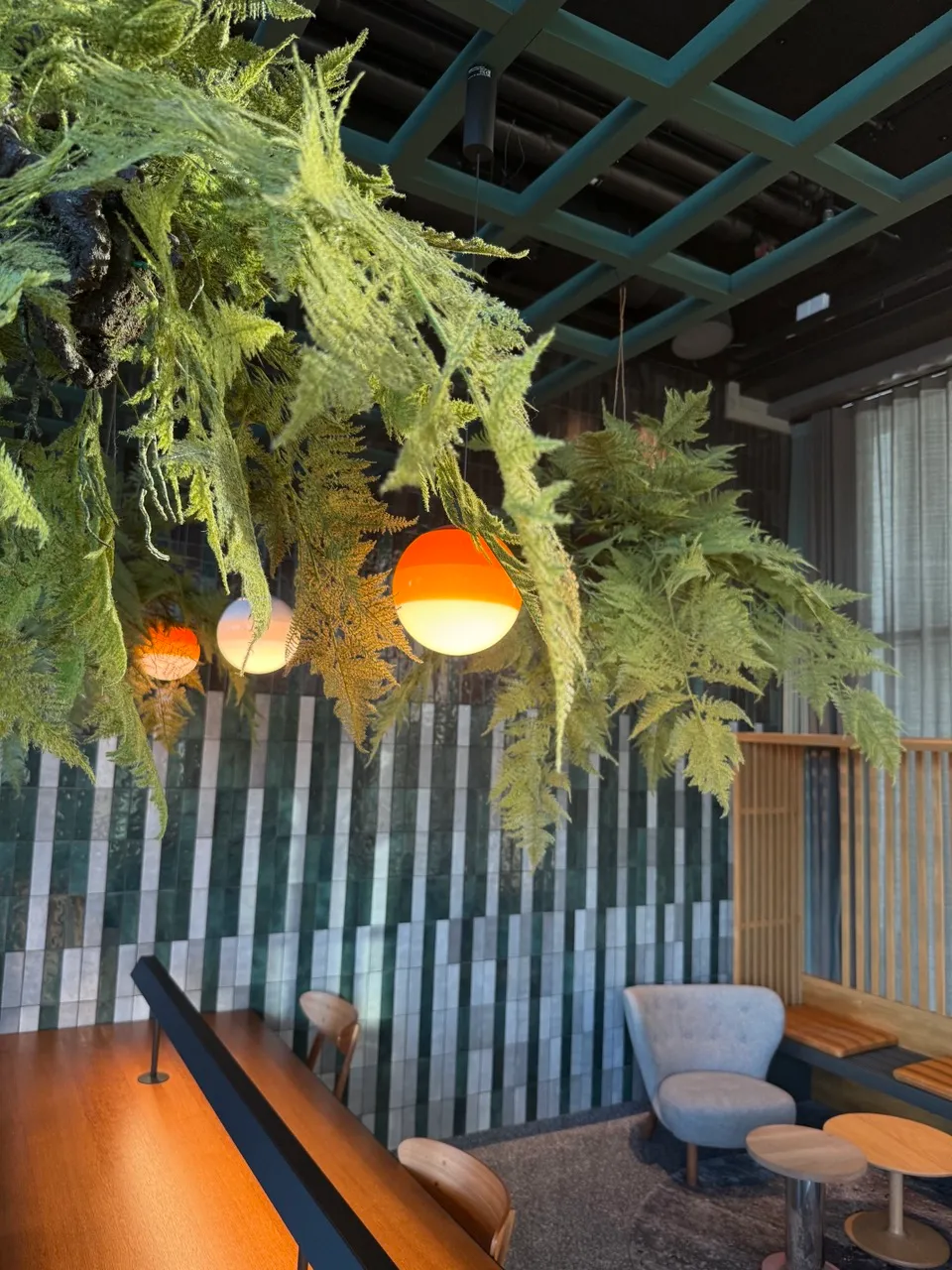
This custom pendant glass shade project was developed for a high-end indoor lighting manufacturer and design provider in Spain. The finished pendant luminaires were intended for a lounge area within an airport hotel, where the glass shade needed to satisfy both the visual expectations of the interior design and the practical requirements of the complete suspended fixture.
The project combined four specific requirements: a small locating hole positioned very close to a larger opening, stable hanging alignment after assembly, particularly strict appearance control on the customer-designated A-side, and a six-week delivery target for a 3,000-piece production order.
Project answer at a glance
Easter Glass addressed the project by changing conventional drilling to laser hole processing, replacing the original fixed installation connection with an adjustable connection, and applying 100% inspection to the designated A-side. The final 3,000-piece order was completed in five weeks, one week ahead of the client’s original six-week requirement.
Project Background
| Project Country | Spain |
| Client Type | High-end indoor lighting manufacturer and design provider |
| End-use Application | Custom pendant lighting for an airport hotel lounge |
| Glass Component | Custom round pendant glass shade |
| Production Quantity | 3,000 pcs |
| Required Lead Time | 6 weeks |
| Core Requirements | Precise locating hole, controlled hole edge, stable hanging alignment and high A-side appearance quality |
| Final Delivery | 3,000 pcs completed in 5 weeks |
About Easter Glass
Easter Glass supports global B2B lighting companies, product developers, engineers and sourcing teams with custom lighting glass components, OEM/ODM development and made-to-drawing production.
Projects can involve glass forming, secondary processing, dimensional and appearance control, assembly-related requirements and production coordination according to the specific lighting product being developed.
What Challenges Did the Spanish Lighting Client Need to Solve?
The customer’s requirements were closely connected to the finished pendant luminaire rather than to the glass shape alone. For a design-focused hotel interior, a dimensional or assembly issue that might appear minor at component level could become visible once the glass shade was suspended and illuminated.
The first challenge was a small locating hole positioned very close to the larger opening in the glass shade. The customer required the locating feature to remain accurately positioned while avoiding unacceptable chipping around the hole area.
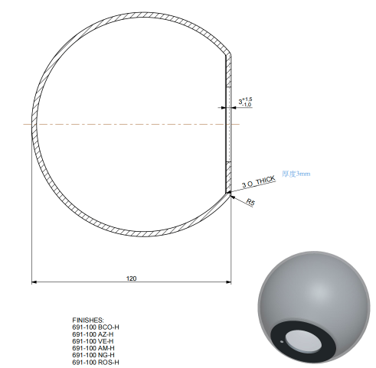
For this project, Easter Glass changed the original conventional drilling method to laser hole processing. The recorded project result was accurate hole positioning without edge chipping in the required area.
The second challenge concerned the complete pendant after assembly. The client required the finished light to hang correctly without visible tilt. Because this was an installation-level issue, the solution could not be based only on changing the glass body.
The engineering team reviewed the relationship between the glass and the mounting structure and changed the original fixed installation connection into an adjustable connection. This provided the ability to correct the hanging position during assembly.
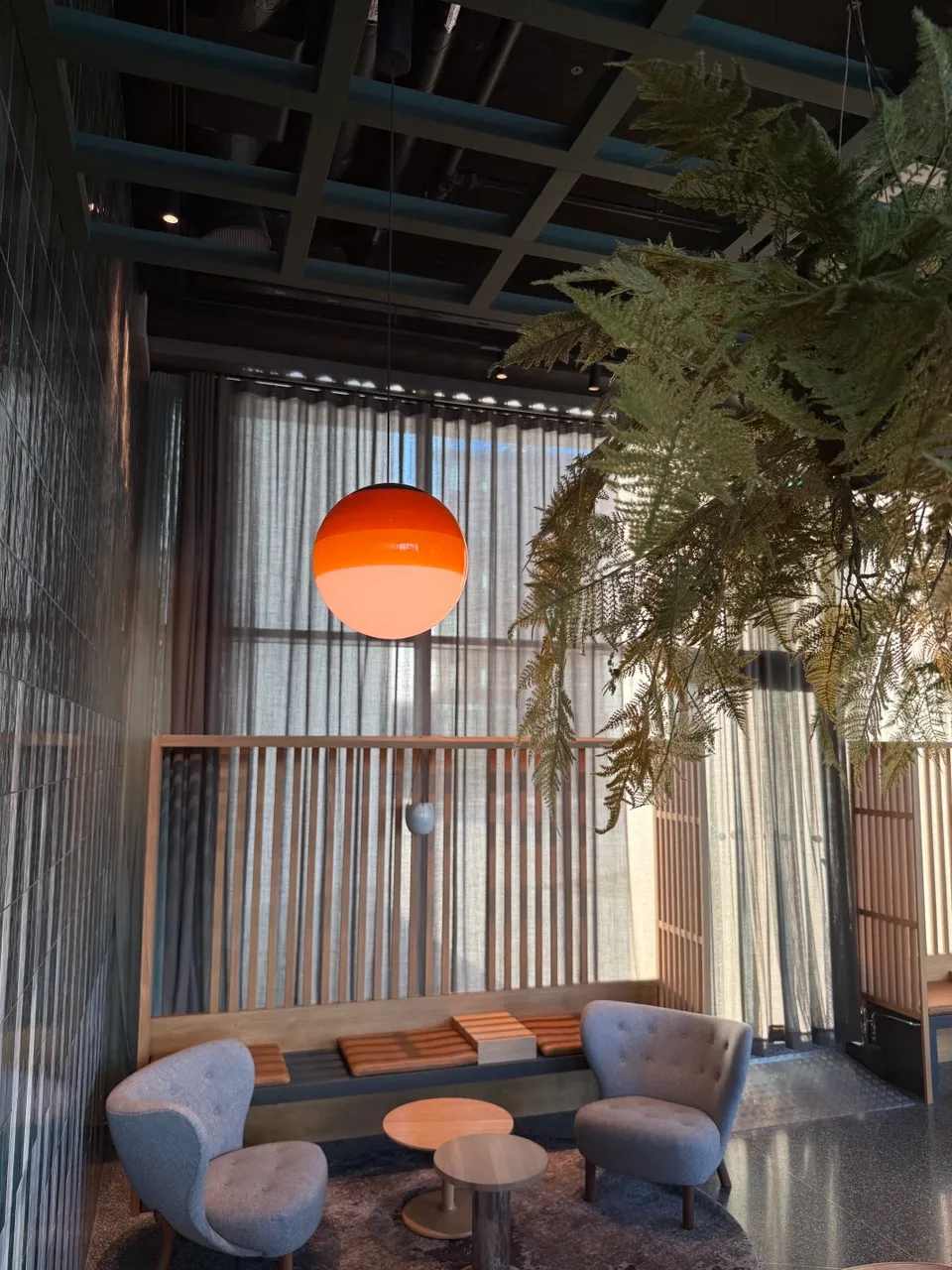
The third requirement concerned visual quality. The customer identified the A-side as a particularly important visible surface. Because the glass would form part of a high-end indoor lighting installation, Easter Glass applied 100% inspection to the designated A-side.
The original project documentation does not specify numerical cosmetic defect limits or dimensional tolerances, so no additional values are assumed. The documented requirement was high A-side quality supported by full inspection of that critical surface.
Why the project solution mattered
Hole processing, hanging alignment and appearance inspection were not treated as isolated factory issues. Each decision was connected to how the custom pendant glass shade would be assembled, suspended and viewed in the final airport hotel lounge.
Final Manufacturing Solution and Project Results
After the manufacturing and installation changes were confirmed, the project moved into production with three defined controls: laser hole processing for the critical locating feature, an adjustable installation connection for hanging alignment, and 100% inspection of the customer-designated A-side.
The project record confirms accurate hole positioning without edge chipping, resolution of the hanging-alignment issue, 100% inspection of the designated A-side, and completion of all 3,000 pieces in five weeks — one week ahead of the client’s original six-week delivery requirement.
Could the Same Problems Appear in Other Custom Pendant Lighting Projects?
Yes. Similar engineering and quality-control issues can reasonably appear in other custom pendant-light projects, particularly for hospitality, commercial interiors and design-led indoor lighting where decorative glass is integrated with suspension hardware.
A locating hole positioned close to another opening may create both processing and assembly concerns. A glass shade that looks acceptable as an individual component may still require adjustment once connected to the suspension system. A prominent visible surface may also require different inspection controls from areas hidden by the fixture after installation.
The solution used in this Spanish project should not automatically be copied to another design. Different glass geometries, mounting arrangements and cosmetic requirements require their own review. What is transferable is the project method: define the functional requirement first, identify where the risk appears in the finished luminaire, and then connect the manufacturing and inspection decisions to that requirement.
What should a buyer provide for a similar custom glass shade project?
Useful RFQ information includes the glass drawing, relationship between holes and openings, mounting or suspension method, critical visual surfaces, required quantity, inspection expectations and target delivery date. Providing the glass and installation requirements together helps the manufacturer evaluate the component as part of the finished lighting system rather than as an isolated piece of glass.
How Can Easter Glass Support Similar Custom Lighting Glass Projects?
For B2B lighting projects, Easter Glass can review custom glass requirements together with drawings, product geometry, secondary processing, critical appearance areas, assembly-related conditions and production quantities. The objective is to identify manufacturing and quality-control requirements before they become problems during final fixture assembly.
Buyers evaluating a similar project can review our
custom lighting glass products
,
learn more about
lighting glass applications
,
review
OEM / ODM custom lighting glass development
,
or see the
lighting glass quality-control approach
used to support project evaluation and production.
Independent technical context:
Published research on
laser machining and drilling of glass
discusses how processing conditions influence characteristics such as edge quality and hole geometry. For quality-control context,
ISO 2859-1
addresses acceptance sampling by attributes. These external references provide general technical context only; the Spain project facts and production results described on this page come from the documented Easter Glass case.
Discuss a Similar Custom Pendant Glass Project
If your pendant-light project includes closely positioned mounting features, hanging-alignment requirements, a critical decorative glass surface or a demanding commercial interior application, share the drawing, installation information, quantity, quality requirements and target schedule with Easter Glass for project review.
Project note: The manufacturing methods and results described on this page refer to this documented Spanish pendant-light project and its specific requirements. They should not be interpreted as universal tolerances, manufacturing guarantees or performance results for other glass products. Similar projects should be evaluated according to their own glass geometry, mounting structure, appearance requirements, production quantity and acceptance criteria.
 English