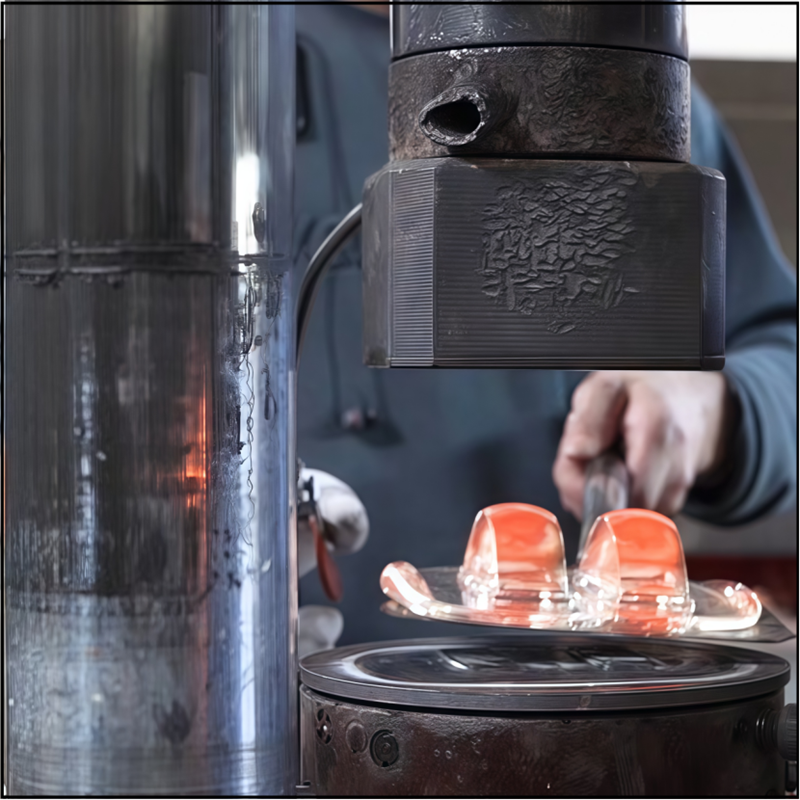
We depend on stained glass lampshadeses to see the world as it is. They have evolved over the years to have more effective use. Learn what happened with glass lenses and what makes them very useful, particularly in photography.
Long ago, people realized that glass would help them perceive more explicitly. They cast glass in unusual ways to bend light and focus it for us. Over time, scientists and engineers improved on these glass lenses.
Glass lenses may seem straightforward, but they are very carefully crafted. They consist of various layers of glass that are moulded and polished to a smooth finish. That smoothness makes the images we perceive through the lens obtain less blur. The shape of the lens is also responsible for its light focusing capability that helps us to see the objects around us.
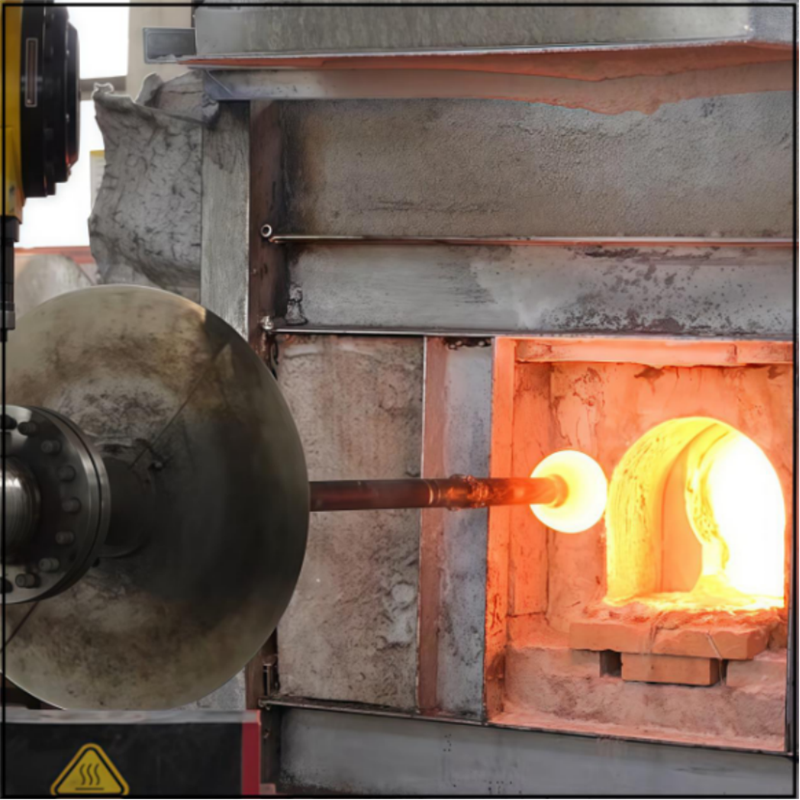
In photography, decent glass lenses play a crucial role in getting a nice clear image. DMO must pass through the lens and focus on the camera properly to take a clear photo. The excellent glass table lampshades can overcome any issues with the final image. And so shoot better glass because they shoot it at a professional level.
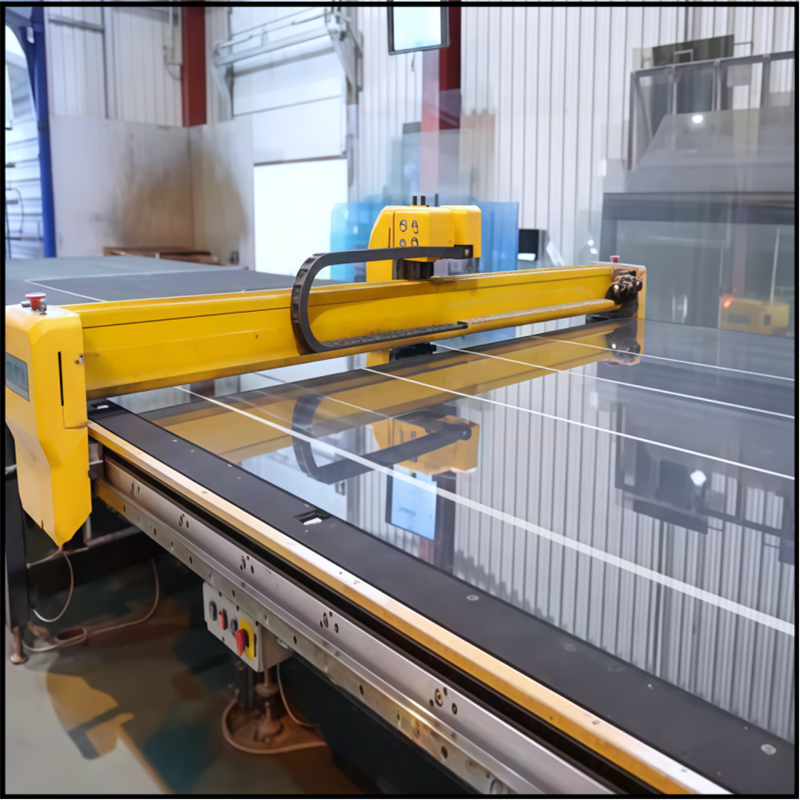
Those are why we have glass lenses — to correct our vision. Be it nearsightedness, farsightedness, or even astigmatism, the right glass lens does the magic for us. They take special measurements to create a customized pair of glass lenses that fit exactly with our eyes. This is what allows us to correct our vision the best.
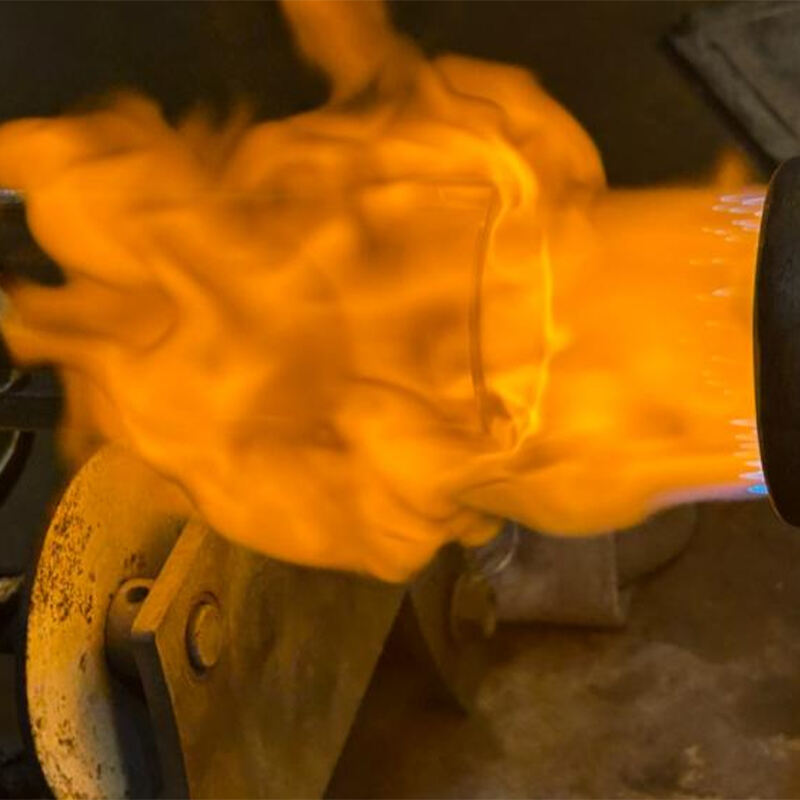
The response of glass lenses to light determines their ability to relay clear images. When light goes through the lens, it bends and comes together to a meeting point, and that’s where you see the image correctly. Engineers can manipulate how light passes through the lens by varying the size and thickness of the glass. It helps to determine how sharp and clear the final image will look.
 EN
EN